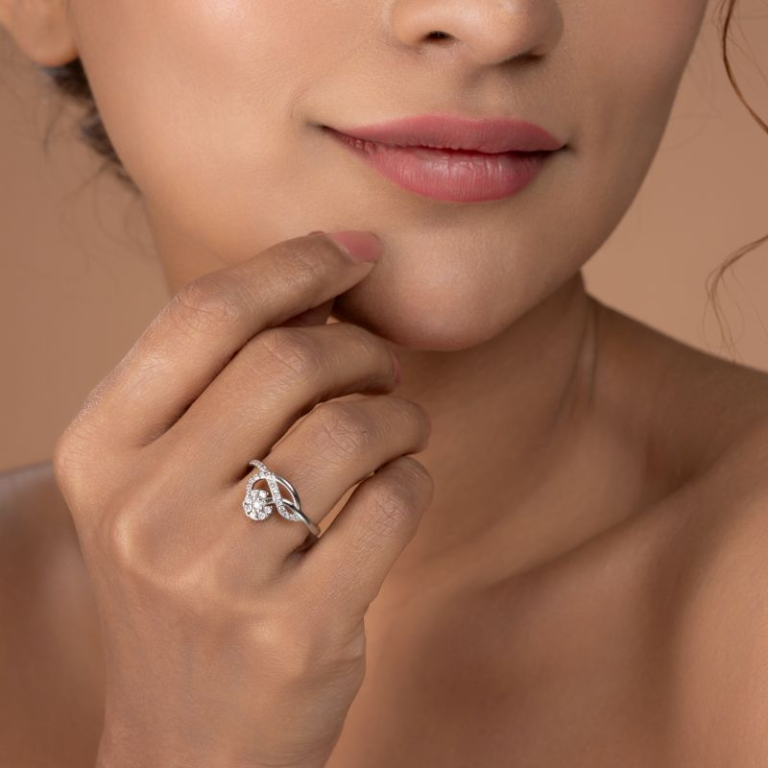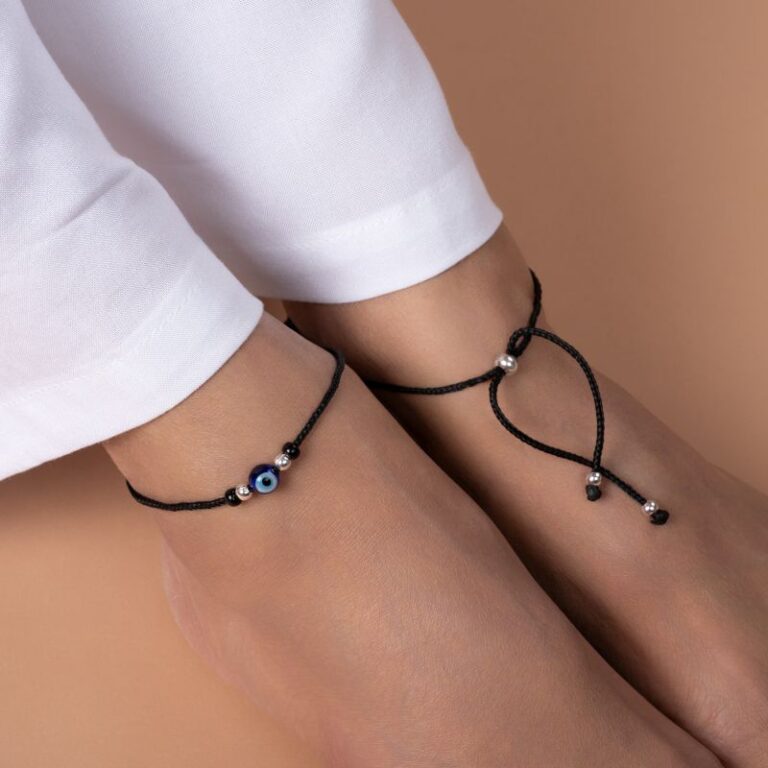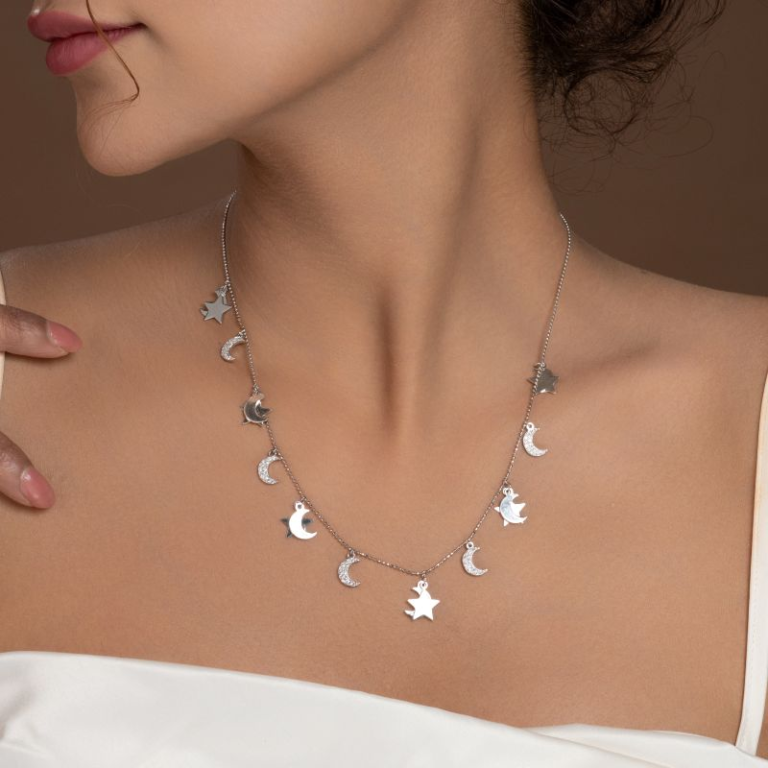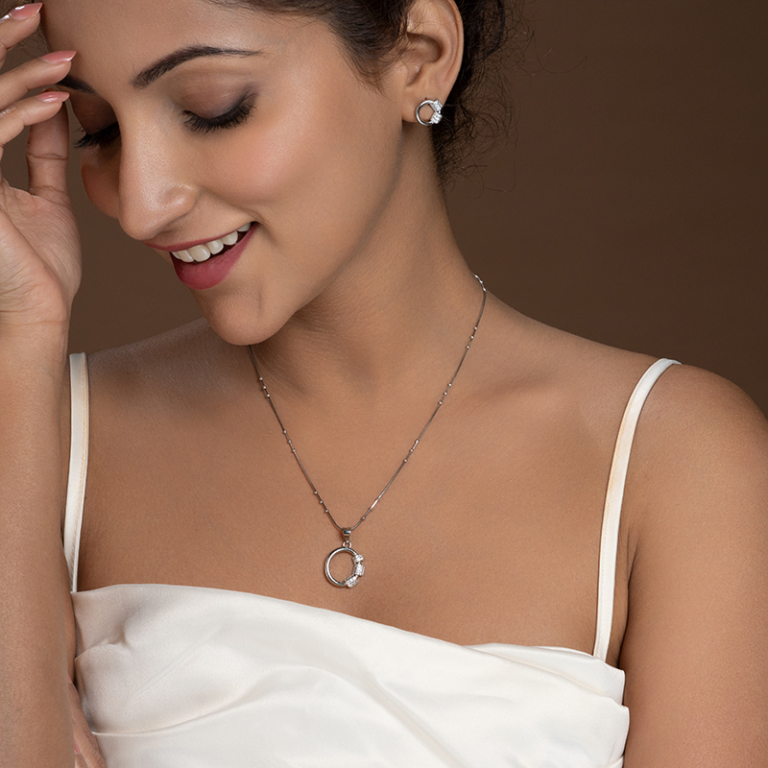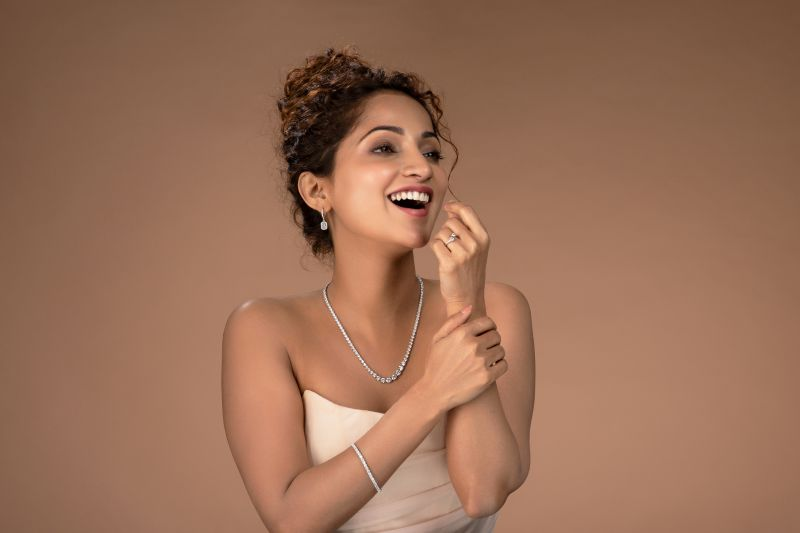
For decades, the fine jewelry market followed a rigid hierarchy. Gold was the definitive symbol of investment and formal luxury, while silver was often relegated to bohemian niches or casual, everyday wear. However, a profound cultural and aesthetic shift has upended this paradigm. Driven by a desire for architectural design, gender-fluid styling, and smart luxury, silver has emerged as the definitive metal of contemporary fashion.
Far from a fleeting novelty, the current silver boom represents a structural change in how consumers approach accessorizing. Modern jewelry enthusiasts are no longer saving their finest pieces for “special occasions”; they demand high-concept design that effortlessly transitions from high-stakes boardroom meetings to casual weekend wear.
Here is an analysis of the macroeconomic drivers and defining design shifts shaping the modern silver jewelry landscape.
1. The Macro Drivers: Why Silver, Why Now?
The meteoric rise of 925 sterling silver is propelled by a intersection of shifting consumer values:
- The Democratization of High Design: Silver’s inherent malleability and lower material cost allow designers to experiment with volume, weight, and avant-garde forms that would be economically prohibitive in solid gold. Consumers can now invest in genuine, artist-driven jewelry without the traditional luxury markup.
- The Rejection of “Matchy-Matchy” Uniformity: The old-fashioned rule of strictly adhering to one metal tone has dissolved. Silver’s crisp, neutral undertone acts as a perfect canvas, giving rise to the “mixed metals” movement where warm gold and cool silver are intentionally stacked together.
- The “Cool Girl” Aesthetic & Gen Z Influence: Younger demographics view jewelry as an extension of identity rather than status. Silver carries an inherent edge—deeply rooted in the minimalist 90s and counter-culture movements—that feels effortlessly chic and inherently modern.
2. Defining Visual Trends Dominating the Market
The current landscape is defined by a fascinating duality: bold, structural maximalism operating alongside clever, hyper-functional minimalism.
The Bold & The Sculptural
Delicate, barely-there filigree has been replaced by heavy metal presence.
- Fluid Architecture: Inspired by runway heavyweights like Bottega Veneta and Chanel, sculptural silver cuffs and inflated, hollow-link chains are dominating. These pieces feature tactile, uneven silhouettes, mimicking molten metal or draped silk.
- Orbital & Negative Space Designs: Traditional closed rings and rigid bands are yielding to open-path, orbital designs. By utilizing negative space, massive rings and ear cuffs appear to float organically on the skin, offering a futuristic yet sophisticated look.
The Evolution of Curated Stacking
The modern consumer treats jewelry as a modular collection.
- The “Neck Mess” and Ring Arrays: Stacking has evolved from uniform bands to a highly calculated mix of textures. A texturally rich stack might feature a hammered finish band, a smooth geometric wrap ring, and a vintage-inspired oxidized piece grouped together.
- Sleek Tennis Staples: The classic tennis bracelet has transitioned from the formal evening drawer into an everyday staple. Set in bright sterling silver with moissanite or high-grade cubic zirconia, it provides an intentional flash of brilliance against standard tailoring or casual denim.
3. The Shift in Sourcing: Quality and Versatility
As retail data highlights a surge in online silver purchases, consumer literacy regarding the metal has reached an all-time high. Buyers are actively looking past fast-fashion plating, prioritizing long-term durability and skin safety.
Trend Element Modern Approach Outdated Approach Metal Composition Verified 925 Sterling Silver (often rhodium-plated for tarnish resistance). Base metals with flash-plated silver coating that chips easily. Design Curation Intentional mix-and-match pieces layered to build a personal narrative. Identical, rigid “matching sets” (matching necklace, earrings, and ring). Stone Settings Sleek, futuristic bezel settings where metal completely rims the stone. Overly clustered, prong-heavy gemstone settings that feel dated.