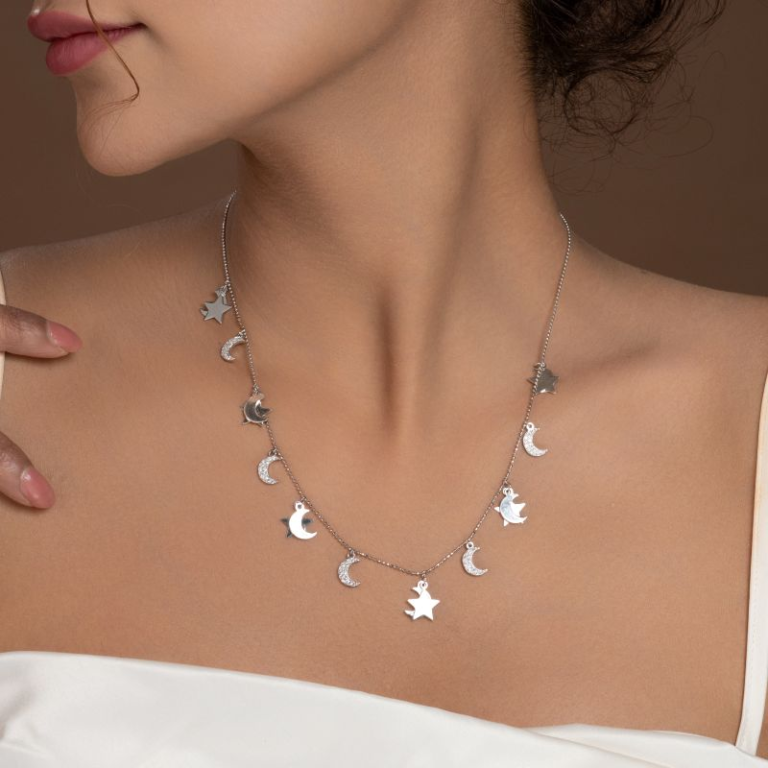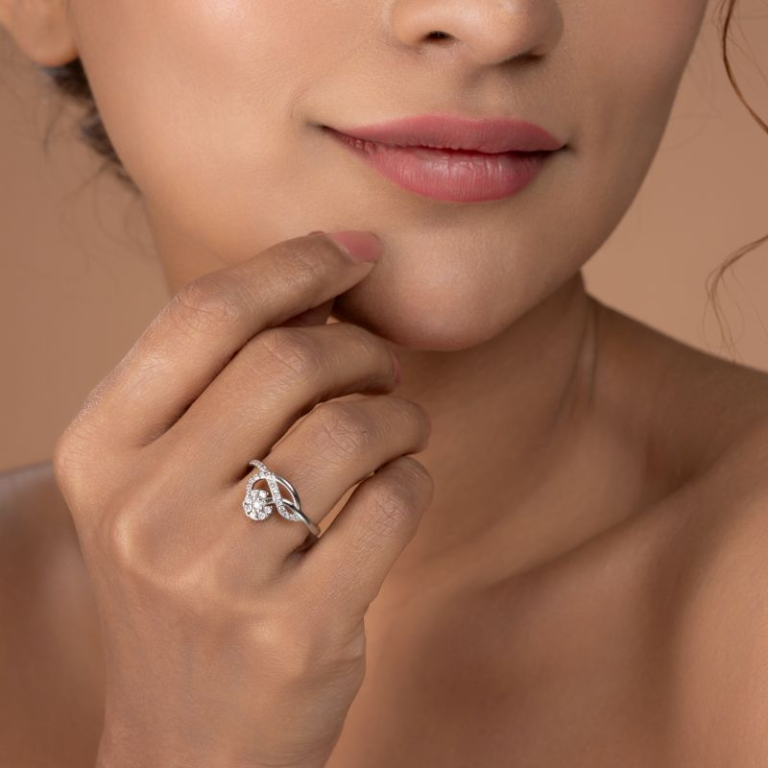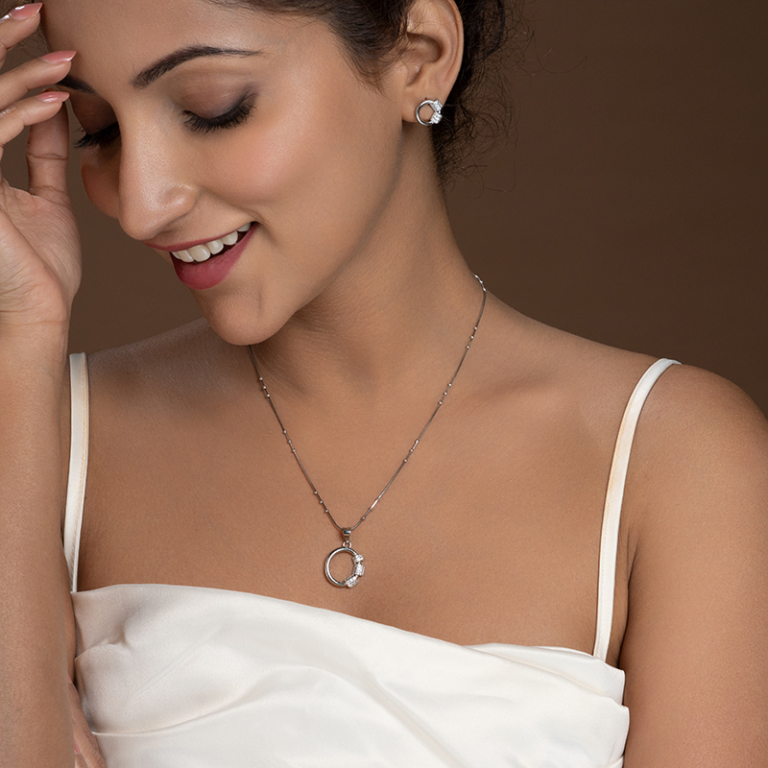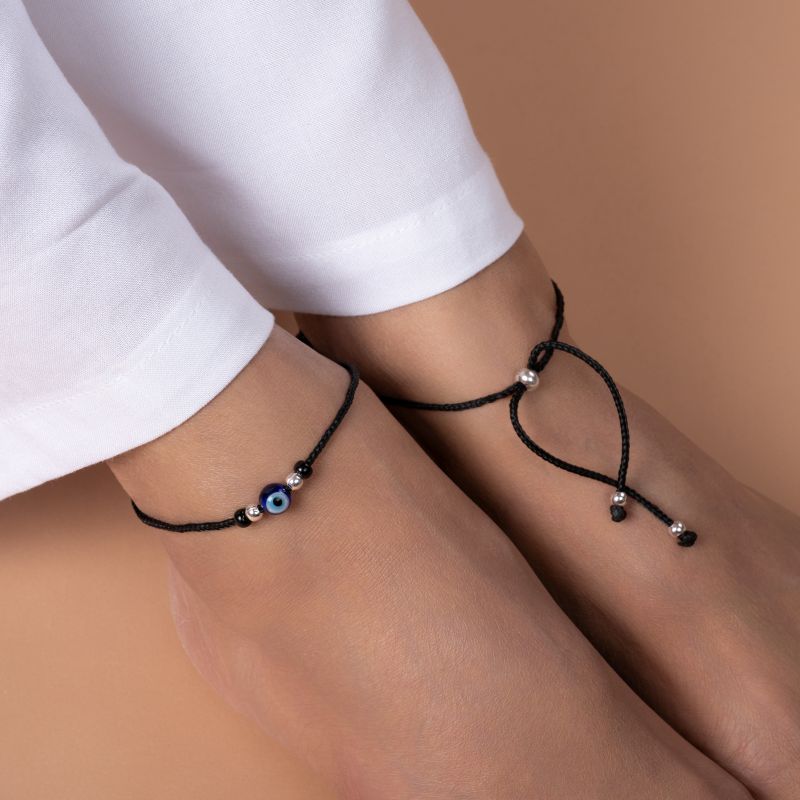
The Indian jewelry landscape is experiencing a remarkable evolution. The historic paradigm—where heavy bridal gold remained locked away in vaults, reserved exclusively for weddings and major festivals—has dissolved. Modern Indian consumers are demanding a new philosophy: Practical Luxury.
The defining theme is “Heritage Reimagined”. Traditional craftsmanship is breaking free from rigid conventions, appearing in lightweight, modular silhouettes that transition effortlessly from high-stakes corporate boardrooms to festive functions and destination weddings.
Here is an analysis of the major structural shifts and stylistic movements transforming the Indian jewelry market.
1. The Technological & Cultural Drivers
Three major shifts are fundamentally reshaping consumer purchasing behavior across India:
- The Rise of Lab-Grown Diamonds (LGDs): One of the most significant disruptors in contemporary luxury is the widespread adoption of lab-grown diamonds by urban Indian buyers. Offering identical brilliance, chemical composition, and durability to mined diamonds, LGDs allow younger consumers to opt for larger solitaire rings, striking tennis bracelets, and dramatic pendants within a practical budget.
- Detachable and Modular Engineering: Modern brides are refusing to invest in jewelry that can only be worn once. Designers are responding with modular engineering—creating grand bridal chokers that detach into minimalist collars, or heavy rani haars (long royal necklaces) that can be split into individual, wearable strings for subsequent festive events.
- The Global Indo-Western Aesthetic: The rapid growth of luxury fusion wear has created a demand for jewelry that complements a chikankari pantsuit just as flawlessly as it does a traditional Kanjeevaram silk saree.
2. Core Material and Design Movements
The market is currently anchored by four distinct aesthetic pillars, blending centuries-old artistry with clean, modern lines.
Lightweight Heritage: Polki, Kundan, and Jadau
Traditional North Indian royal settings are receiving a major structural upgrade.
- Airy Finishes: The heavy, dense gold backing characteristic of traditional Jadau and Kundan is being minimized. Artisans are creating lighter, open-backed profiles that retain the majestic, raw-cut presence of Polki (uncut natural diamonds) while drastically reducing the weight for maximum comfort.
- Pastel & Enamel Inlays: Instead of relying solely on classic, deep-red rubies, contemporary Meenakari (enamel work) is introducing sophisticated pastel palettes—mint greens, powder blues, and blush pinks—to perfectly complement modern pastel bridal attire.
The Rebirth of Modern Temple Jewelry
Hailing from South Indian sacred architecture, temple jewelry has transcended its traditional borders.
- Antique Matte Finishes: The ultra-shiny yellow gold of the past is yielding to subtle, matte-antique gold and rustic, oxidized finishes. Intricately sculpted divine motifs and floral patterns are being integrated into sleek, singular chokers or open cuffs rather than massive, multi-tiered sets.
Redefining Daily Staples
Traditional symbols of marital and cultural heritage are receiving highly creative updates.
1.The Evolution of the Mangalsutra:Daily Functionality.
Heavy, elaborate gold strings are being replaced by minimalist interpretations. Contemporary designs feature delicate, single-row black bead chains accented by clean solitaire diamond sliders, geometric bars, or even chic bracelet-style layouts for the wrist.
2.The Modernization of the Jhumka & Chandbali:Balanced Scale.
The iconic crescent-shaped Chandbali and bell-shaped Jhumka remain essential symbols of grace, but their internal structure has changed. Designers are utilizing hollow gold techniques and lightweight silver bases to produce large, visually striking statement earrings that can be comfortably worn all day without straining the earlobes.
3.The Everyday Nosepin Shift:Gen Z Expression.
Nosepins have firmly transitioned from purely traditional or occasion-based wear into an everyday style statement. The current market is dominated by tiny solitaire diamond studs, delicate rose-gold hoops, and miniature geometric patterns favored by young professionals.
3. Comparative Matrix: Traditional vs. Contemporary Preferences
Understanding the structural evolution of the Indian jewelry market highlights how consumer tastes are shifting toward versatile styling.
| Jewelry Category | The Evolving 2026 Landscape | The Historic Approach |
| Bridal Strategy | Modular luxury, detachable elements, and investment in wearable heirlooms. | Massive, single-purpose sets locked away immediately after the wedding. |
| Diamond Preferences | Rapid adoption of Lab-Grown Solitaires for maximum scale and ethical clarity. | Strict adherence to mined diamonds, often limiting the carat size due to rigid budgets. |
| Metal Finishes | Antique matte gold, two-tone mixed metals, and refined oxidized silver. | Homogeneous, highly polished bright yellow gold across all pieces. |
| Gemstone Palettes | Pastel accents, rose quartz, aquamarines, and fresh tanzanite accents. | Exclusively traditional precious stones (deep rubies, emeralds, and pearls). |